Can Dogs Eat Strawberries? Yes - Fresh, Washed, and in Small Portions
The Three Rules
- 1.Fresh only - not yoghurt, jam, toothpaste, or flavoured gum. Processed products can contain xylitol.
- 2.Wash thoroughly - strawberries are among the most pesticide-heavy fruits on the EWG Dirty Dozen list.
- 3.Small portions - strawberries still contain sugar. Use the calculator below for your dog's exact allowance.
Xylitol Warning: Avoid Processed Strawberry Products
Strawberry-flavoured yoghurt, jam, ice cream, gum, and toothpaste can contain xylitol - a sweetener that is highly toxic to dogs. The MSD Veterinary Manual associates doses above approximately 100 mg/kg of body weight (45 mg/lb) with hypoglycaemia in dogs. Always read the full ingredient list. If your dog just ate a flavoured product, call poison control immediately.
Read the full xylitol guide →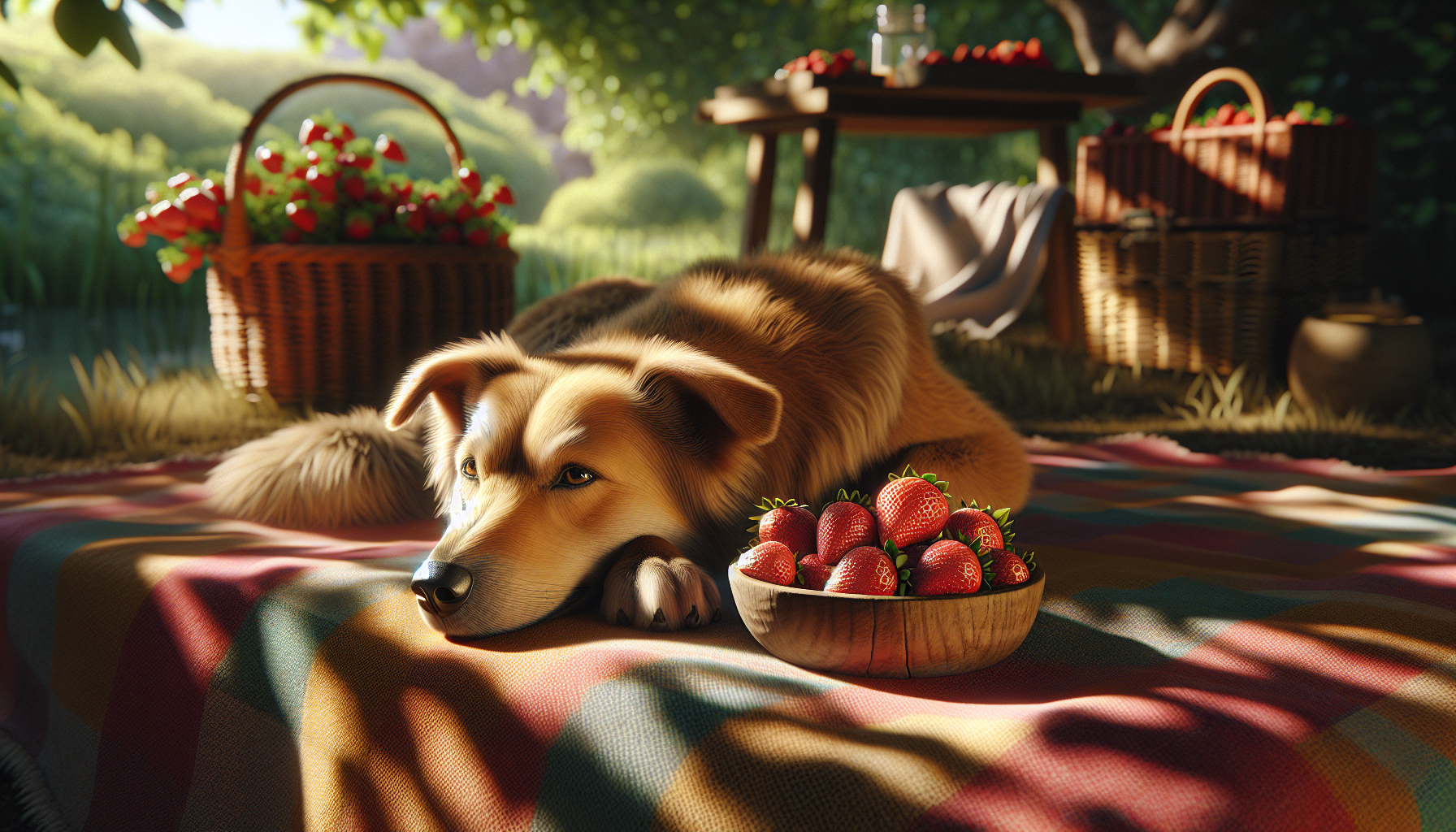
Fresh strawberries only - never processed products
What the ASPCA Says About Strawberries and Dogs
The ASPCA Animal Poison Control Center lists the strawberry plant as non-toxic to dogs, cats, and horses. In the ASPCA toxic-and-non-toxic plant database the strawberry (Fragaria spp., family Rosaceae) is classed non-toxic, and that covers the fruit, the leaves, the stems, and the green calyx at the top of the berry.
One important caveat: non-toxic does not mean problem-free. The fibrous, tannic leaves and stems can still cause mild stomach upset in some dogs, and the real danger is not the strawberry at all but xylitol, a sweetener found in many processed strawberry products (jam, yoghurt, gum, toothpaste) that is highly toxic to dogs.
ASPCA strawberry plant entry · Why xylitol is the real risk →
Strawberry Portion Calculator
Enter your dog's weight to get a personalised daily strawberry allowance.
Based on 10% daily calorie treat rule. Medium berry = 12 g, 3.8 kcal (USDA FoodData Central). This is a guideline, not a prescription.
Why Strawberries Are Good for Dogs
Fresh strawberries are one of the safer fruits for dogs. They are low in calories (32 kcal per 100 g), high in water content (about 91%), and provide genuine nutritional value:
- +Vitamin C (59 mg per 100 g) - dogs synthesise their own, but dietary vitamin C from whole food poses no harm and provides antioxidant benefit.
- +Dietary fibre (2 g per 100 g) - supports healthy gut motility and microbiome diversity.
- +Malic acid - a mild natural enamel cleaner. Not a substitute for dental care but a gentle bonus.
- +Low GI (~41) - strawberries cause a slow blood-sugar response, making them a safer fruit choice for diabetic dogs in small amounts.
- +Anthocyanins and ellagic acid - anti-inflammatory polyphenols from the berry pigment.
Portion by Weight - Quick Reference
| Dog Weight | Breed Size | Max Per Day |
|---|---|---|
| Under 5 kg | Toy | 1 small berry |
| 5-10 kg | Small | 1-2 medium berries |
| 10-20 kg | Medium | 2-4 medium berries |
| 20-35 kg | Large | 4-6 medium berries |
| 35 kg+ | Giant | 6-8 medium berries |
Based on 10% daily calorie treat rule. Medium berry = approximately 12 g, 4 kcal.
Preparation in 3 Steps
Conventional strawberries consistently rank among the most pesticide-contaminated produce in the EWG Dirty Dozen survey. Always prepare berries properly before giving them to your dog.
Wash Thoroughly
Rinse under cold running water for at least 30 seconds. Better yet, soak in a baking-soda solution (1 tsp per 2 cups water) for 15 minutes then rinse. This removes the majority of surface pesticide residue. Organic strawberries avoid this concern entirely.
Remove the Green Top
The small green calyx and leaves are not acutely toxic, but they can cause mild GI upset in sensitive dogs. Take three seconds and remove them. If your dog snapped up a whole strawberry, monitor for loose stools over the next 24 hours.
Slice to Breed Size
Whole strawberries can be a choking hazard for small dogs. Slice lengthways for dogs under 15 kg, dice into 1 cm pieces for dogs under 8 kg, and mash or puree for puppies under 6 months. Large dogs over 25 kg can safely eat a halved or whole medium berry.
Full preparation guide with pesticide data and slice-size chart →
Special Cases
Puppies
Safe from 8-10 weeks. Always dice tiny. Start with one small piece and watch for 24 hours.
Diabetic Dogs
Strawberries have a low GI of ~41. Small portions are among the safer fruit choices. Vet-supervise blood glucose.
Allergy Concerns
Strawberry allergy is rare in dogs but exists. Introduce one berry and observe for itching or GI upset over 48 hours.
Emergency
Dog ate too many strawberries or a flavoured product? Follow the emergency protocol. Xylitol = call poison control now.
Dog-Safe Strawberry Recipes
Strawberries are a natural hit for summer dog treats. Frozen pupsicles, baked cookies, Kong stuffing - we have 12 tested recipes with portion guidance for every dog size.
Frozen Strawberry Pupsicles
Strawberry + plain yoghurt + coconut water. Silicone mould, 4 hours freeze. Perfect summer treat.
Strawberry-Banana Mash
For puppies and seniors. Mash equal parts fresh strawberry and banana. Serve immediately.
Strawberry-Oat Dog Cookies
Baked treats with oats, whole-wheat flour, and strawberry puree. Store in fridge for up to 5 days.
Explore the Full Strawberry Guide
Every common question about dogs and strawberries, plus quick verdicts on the other fruits owners ask about most.